The Colorado Springs Pro-Housing Partnership was founded in the summer of 2019 by three rising seniors at Colorado College to mobilize a diverse coalition, including faith leaders, non-profit organizations, political groups, and others in support of municipal policy that would make housing more affordable in Colorado Springs. We cut our teeth pushing for the city to adopt an ordinance to allow Accessory Dwelling Units (ADUs)—small additional units of housing that can be added to an existing home—throughout the city. This involved reaching out to leaders of various constituent groups to ask if they would lend us some time to speak with their groups about the upcoming vote on the ordinance. We mobilized over 50 people to attend a town hall on the ADU ordinance in November of 2019 and the city passed a watered-down version of it in June 2020.
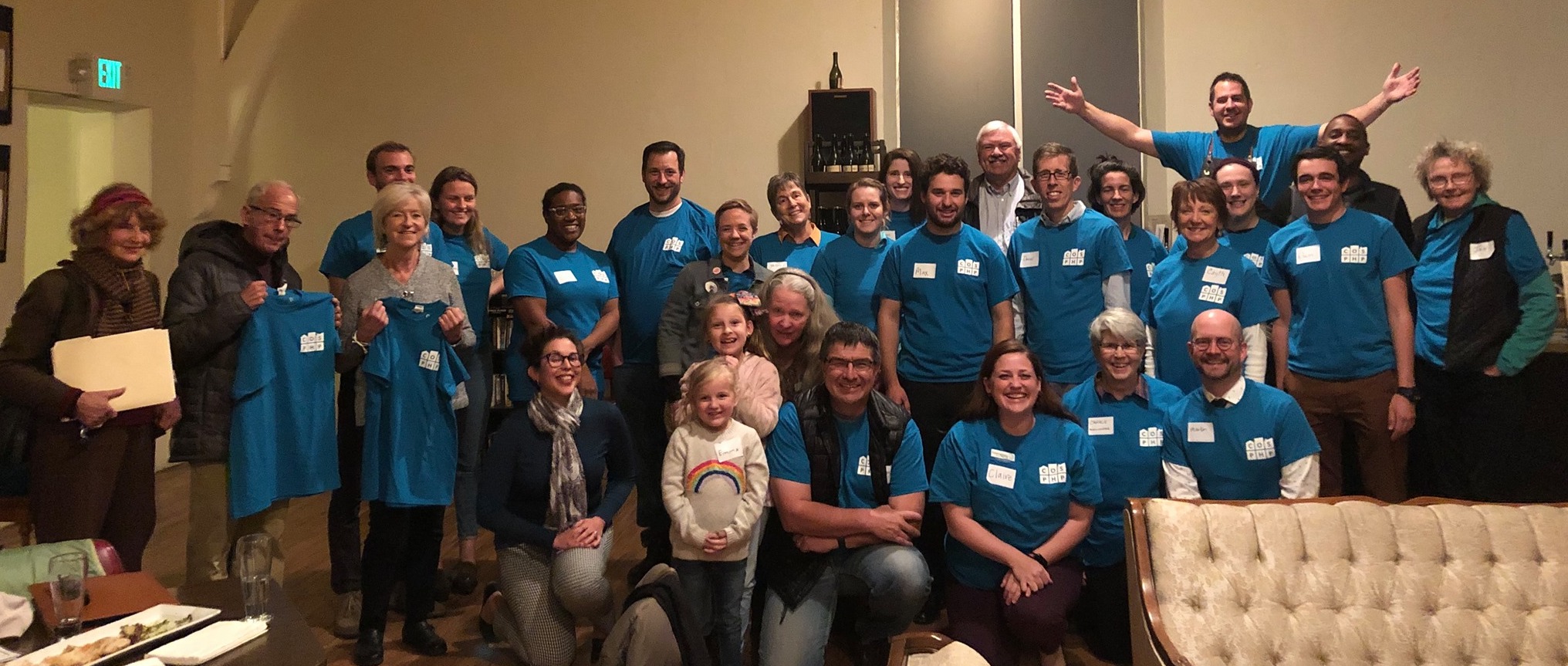
After the campaign to legalize ADUs, we shifted our focus to RetoolCOS, the city’s comprehensive revision of its zoning code. Cities only rewrite their zoning code every 20-25 years and zoning has a major impact on affordable housing. This campaign began shortly before the pandemic began and had to shift into a virtual world. We had some early success, mobilizing 50 people to send in comments in support of a more equitable zoning code that would allow more types of housing in more parts of the city in May of 2020, and turning out over 170 to a virtual forum on zoning and affordable housing in March of 2021.
By mid-2021, however, it became clear to us that we had fallen short of our goal to do real organizing work because we weren’t able to engage residents facing housing insecurity as leaders in our campaign. We were exposed through organizing trainings and personal readings to ideas about what it means to do effective organizing, which taught us that to have an impact on our city’s housing crisis we had to focus on shifting power, and to shift power we had to focus on organizing around concrete issues identified by housing-insecure residents in specific communities. Around the same time, we began conversations with Mary Sprunger-Froese, an organic leader and activist in the Mill Street neighborhood, who was looking for a way to stave off the impending gentrification of her community. She suggested that a Community Benefit Agreement (CBA) covering the redevelopment of the Martin Drake Power Plant site would be one potential tool for doing so, and so we began working with her on the Drake CBA campaign that summer. This effort was much closer to the type of organizing we’d come to believe in, and so, unwittingly, a new vision for the COSPHP was born.
That vision is simple: organize within specific structures, such as neighborhoods, apartment buildings, mobile home parks, and the unhoused community, around specific issues residents identify and then, in the future, leverage the power we’ve built through these organizing efforts to effect citywide change. To learn more about the ideas behind our new vision, check out our Theory of Change.
 Colorado Springs Pro-Housing Partnership